A $15,500 grant for Allegheny’s Life Design Office will fund the creation of a Life Design Speaker and Community Dialogue Series. The grant comes from the Stackpole-Hall Foundation, a Pennsylvania-based nonprofit that funds a wide variety of initiatives focused on education, health, community development and more.
The new programming will feature two keynote speakers from across disciplines that contribute to furthering the Life Design Office’s core tenets, according to the Sept. 11 press release.
“Grounded in the principles of Life Design, an interdisciplinary framework that empowers individuals and communities to navigate challenges with purpose and imagination, the series reflects Allegheny’s deep commitment to fostering dialogue, inclusivity, and mutual respect,” the press release said.
The speaker series is intended to cultivate an open dialogue with a focus on inclusivity on campus. A fall and spring keynote are both planned to be paired with book selections to supplement the discussions. The book pairing allows for the discussions to go beyond the keynotes and involve students in deeper, sustained dialogue.
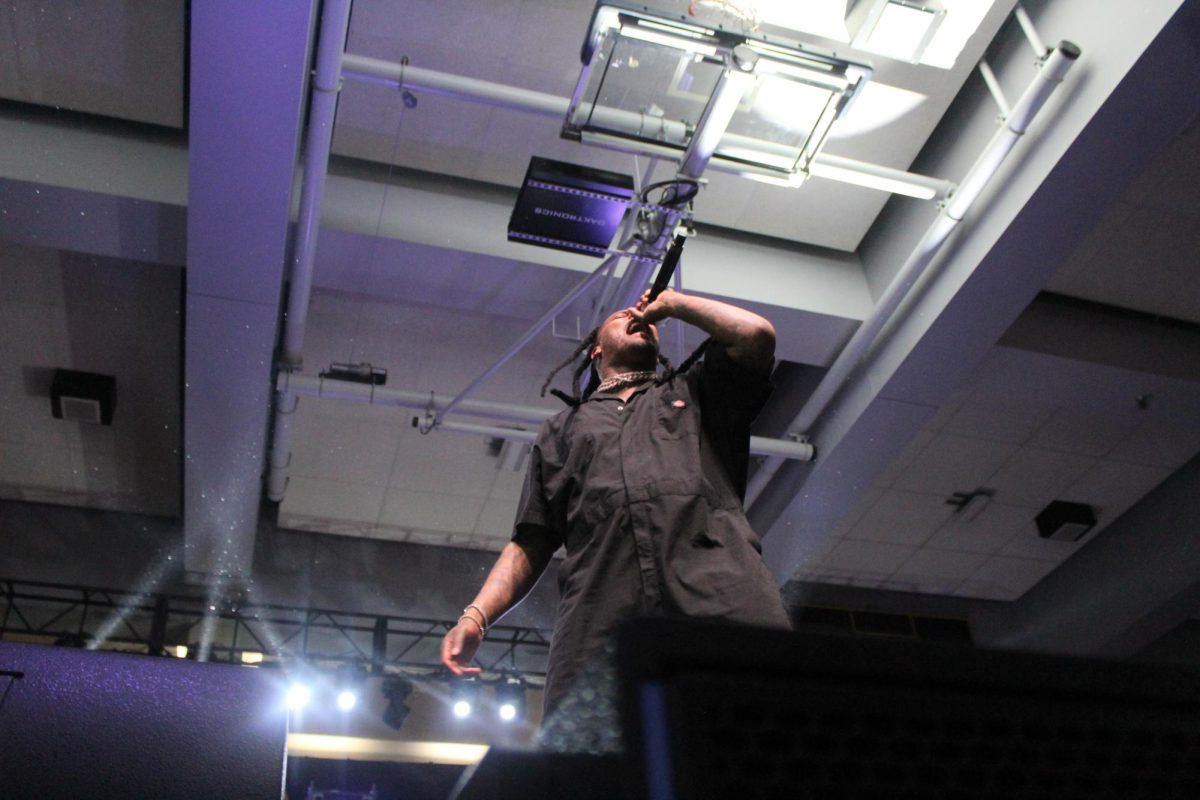
Joe-Joe McManus, the fall keynote speaker, will give a lecture on his expertise in race and equity. His work is centered around developing and implementing antiracist leadership and organizations actively engaged in inclusive excellence. Leading up to his lecture, students will also read his book, “A Brother’s Insight,” published in January. The book focuses on “living an actively antiracist life in solidarity against all forms of oppression,” according to McManus’ website.
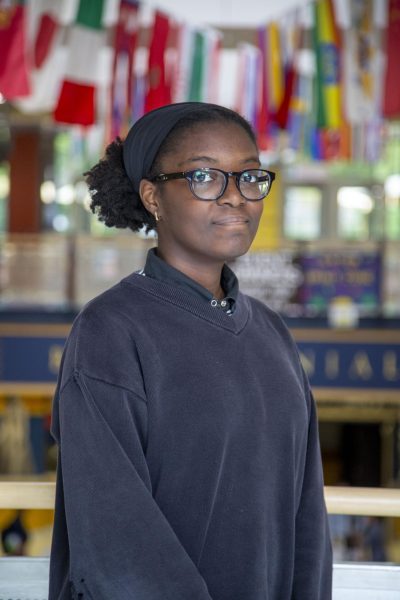
The Life Design Speaker and Community Dialogue Series is designed to carve out a space where learning, personal and professional growth and respect can be incubated, according to Associate Dean of Student and Community Development Dom Turner and Life Design Director Natalie Brown-Gregg.
“It really is a return to public lectures and opportunities for the campus to engage with external speakers,” Turner said. “The college has a long history of doing that, so this kind of stands that we’ve done a lot of this before, but not as much in the last two or three years.”
The dialogue series is catered toward students, but faculty and staff are invited to attend the keynotes as well.
“When you listen to someone’s story, you may get inspired,” Brown-Gregg said. “Being inspired gives a spark in you to start doing things for yourself and creating your own journey, so I would definitely say to be inspired.”
Brown-Gregg is optimistic about the impact of the series on attendees, especially because attendees will hear personal stories from the speakers about their lives. The significant takeaways attendees can have from these conversations can be particularly motivating when they consider how to move forward.
“That’s ultimately one of the things we want to help students do,” Turner said. “Just think about their life and their decisions, where they go and to be empowered to make good decisions about designing their life.”
This programming expands on the pre-existing partnership with the Sustained Dialogue Institute, an organization helping workplaces and campuses to grow an environment for constructive dialogue. The partnership was re-established by a presidential directive from President Ron Cole, ’87, in summer 2024.
“SDI is a global organization dedicated to transforming communities through deep listening and relationship-building,” the press release continued. “By partnering with SDI and embedding Life Design into campus culture, Allegheny is strengthening its long-standing commitment to inclusivity, dialogue, and lifelong learning.”
It is the hope of the Life Design Office that students take full advantage of the insightful keynotes to come in the fall and the spring. Utilizing the skills of accomplished academics like McManus to facilitate conversation will impart lessons that push students to think about their plans post-graduation. Designing the life one wants to live is a lofty goal, but with the right tools, Brown-Gregg thinks students will be more equipped to do so.
“When we were in high school, our parents, our teachers, different people kind of guided us,” Brown-Gregg said. “Now, in college, we kind of have to get in the driver’s seat, and you have to drive. So, we’re just trying to encourage students to be in the driver’s seat of your life. That way, you can take your life wherever you want it to go.”